
Five Questions Every Project Leader Is Asking Today: Insights from DiSHA 2026
Team Efforti
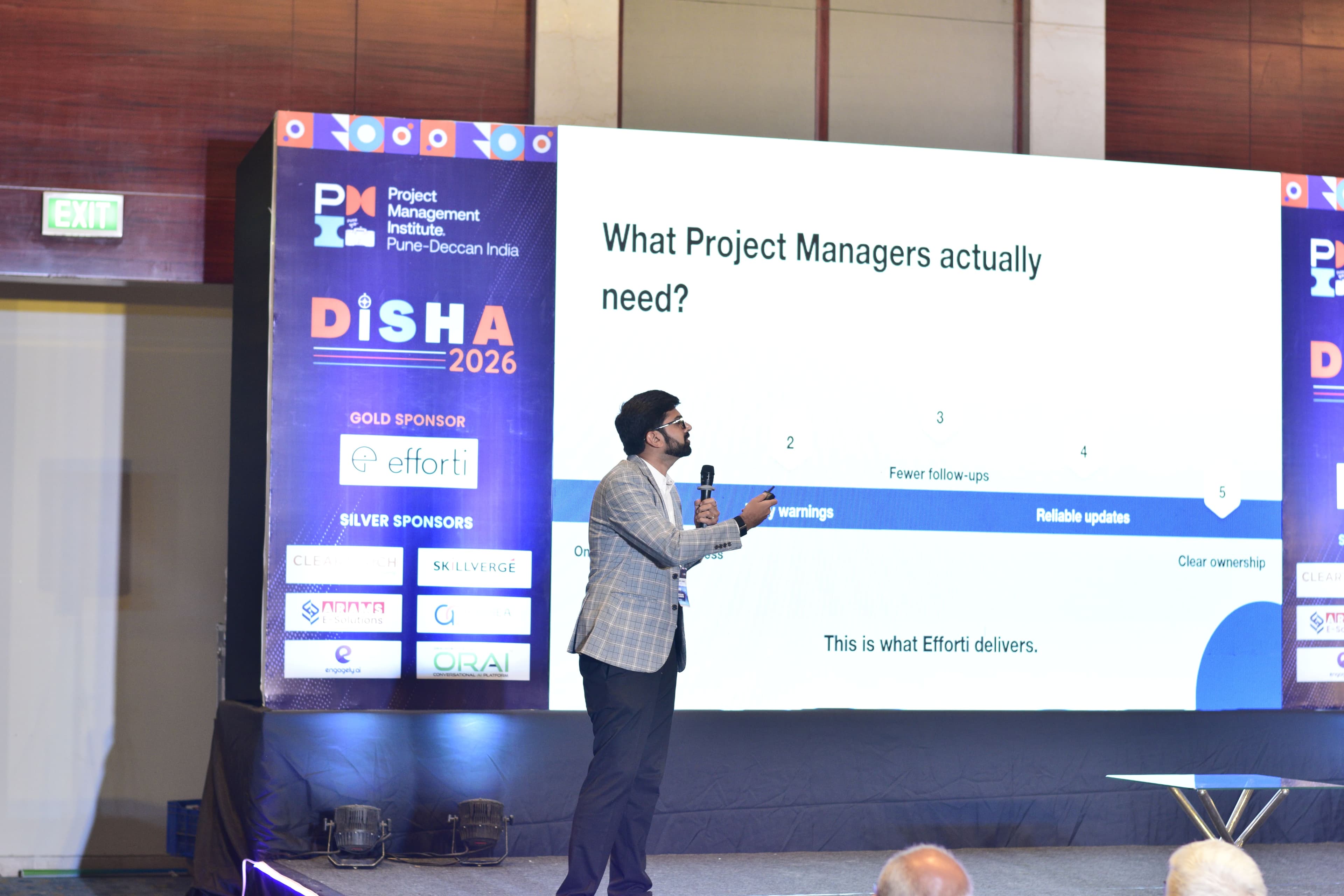
DiSHA 2026 offered more than a gathering of project professionals. It offered a clear view into how leadership is evolving in an age where complexity is rising faster than traditional management systems can adapt.
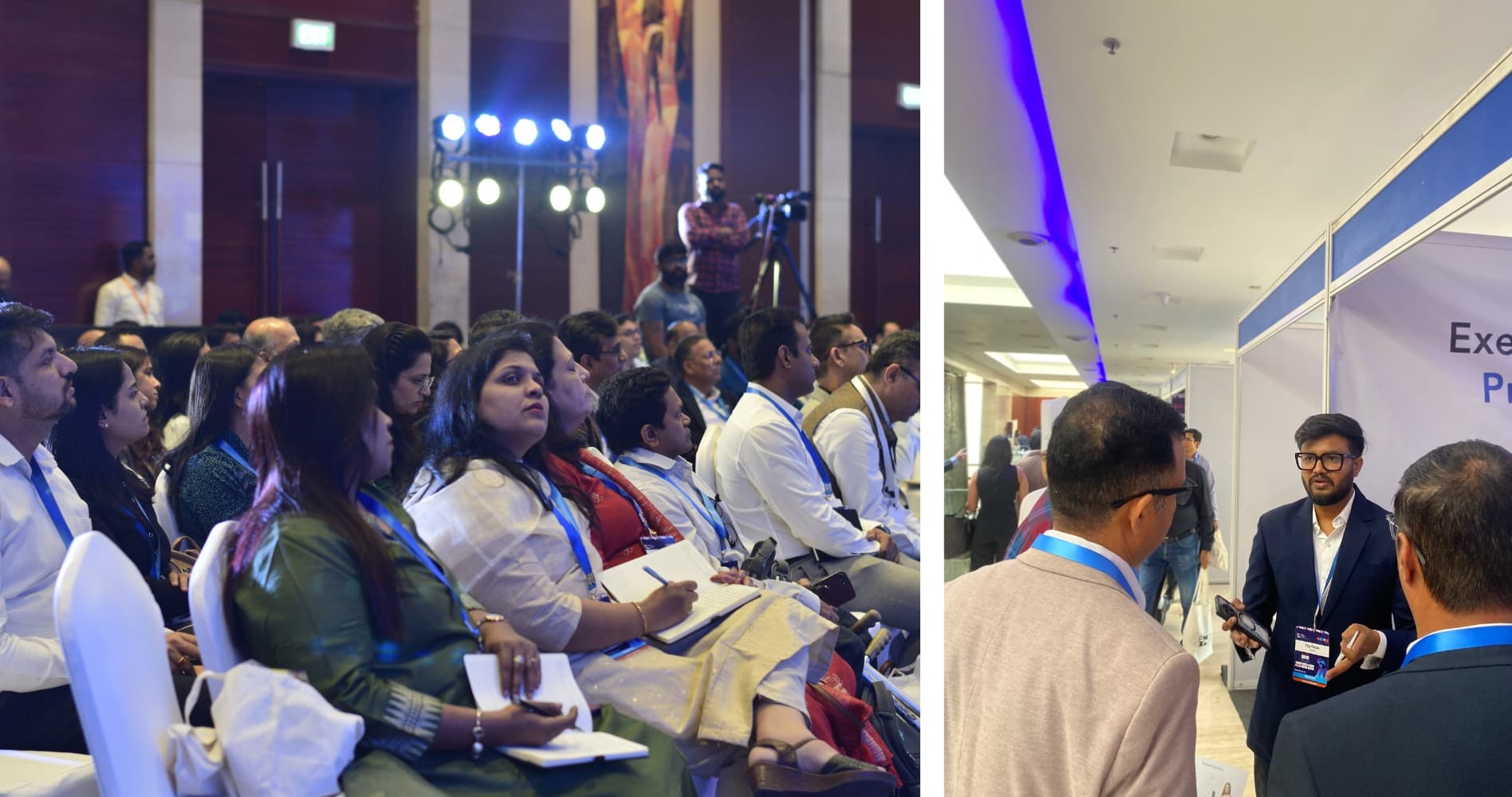
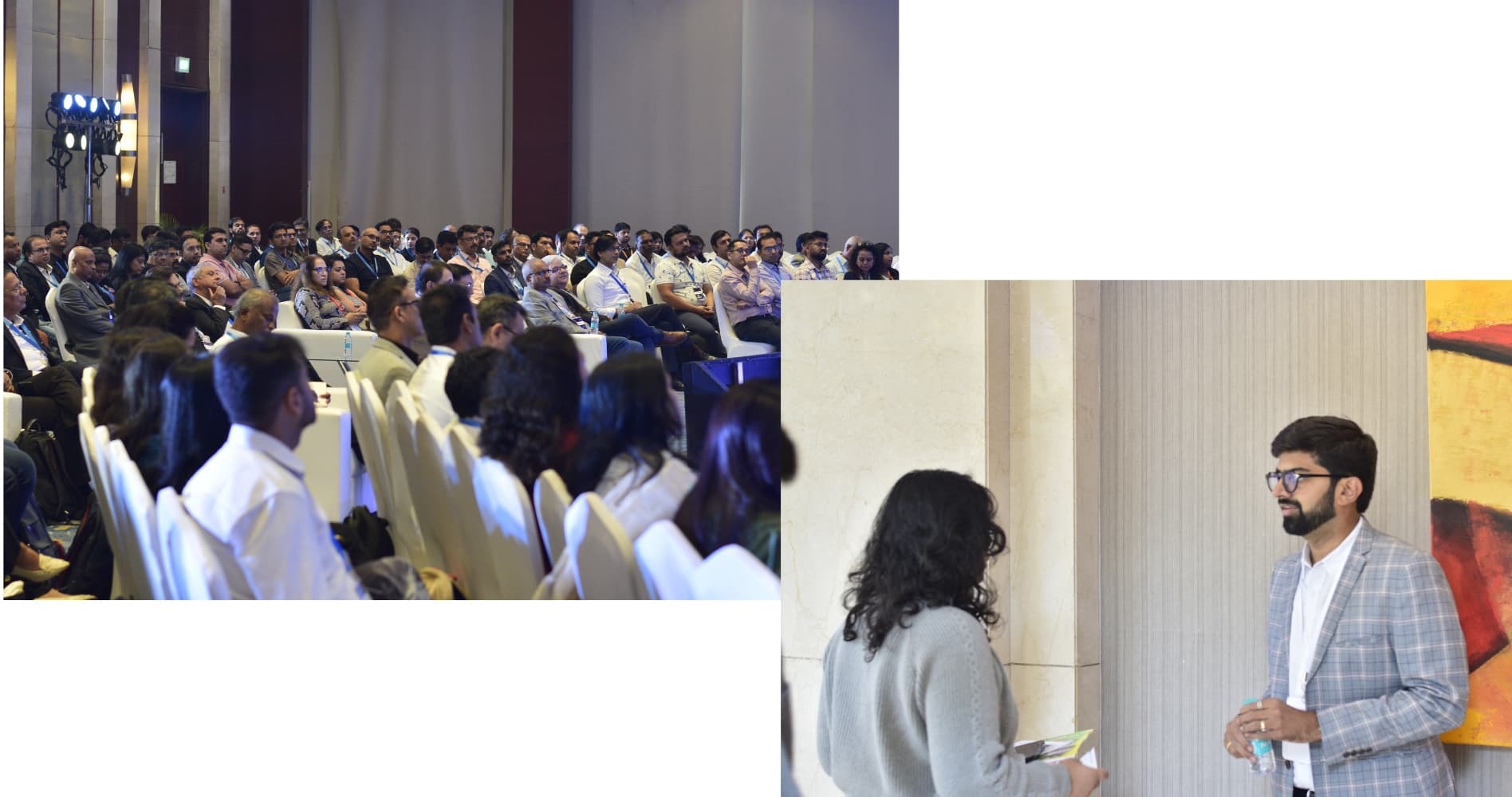
As a Gold Partner, Efforti had the opportunity to engage closely with project leaders, delivery heads, and business managers across industries. Through conversations at our booth, discussions during sessions, and informal exchanges between events, a consistent pattern emerged. Leaders were not questioning their teams’ commitment or capability. Instead, they were questioning whether they were seeing the full reality of execution early enough to act.
Beneath different words and contexts, the same concerns surfaced repeatedly. They reflected deeper shifts in how work is organised, how risks develop, and how decisions are made in modern organisations.
These conversations revealed five fundamental questions that are shaping leadership today.
1. How Do I Know If “On Track” Is Actually Real?
One of the most common concerns raised at DiSHA 2026 was the reliability of project status.
Many leaders shared experiences of initiatives that appeared stable for months before unravelling rapidly. Reports were positive, dashboards were green, and review meetings offered reassurance. Yet when delivery pressure increased, hidden dependencies and unresolved risks surfaced all at once.
This pattern is becoming more common because most reporting systems are designed to summarise past activity rather than detect emerging fragility. Leaders are often presented with polished snapshots of progress instead of dynamic views of execution health. As a result, “on track” becomes a comforting phrase that masks early warning signs.
Project leaders today are seeking deeper visibility rather than more frequent updates. They want to understand how work is progressing beneath the surface, where momentum is weakening, and where small delays are accumulating into larger risks. This shift from summaries to signals is becoming a defining feature of modern leadership.
2. How Do I Reduce Follow-Ups Without Losing Control?
Another recurring concern was operational overload.
Many leaders admitted that a significant portion of their time is spent following up on updates, clarifying responsibilities, and reconciling information from multiple systems. These activities are rarely strategic, yet they consume enormous energy.
This behaviour is not driven by a desire to micromanage. It is driven by uncertainty. When information is fragmented and inconsistent, leaders compensate by increasing personal involvement. Over time, this creates fatigue for both managers and teams.
At DiSHA, leaders expressed a growing desire for systems that embed accountability and transparency into daily workflows. When progress is visible and ownership is clear, trust increases naturally. Follow-ups become the exception rather than the rule, allowing leaders to focus on higher-value work such as planning, mentoring, and innovation.
3. How Do I Spot Risks Before They Become Escalations?
Risk management was one of the most discussed topics at the event.
Many participants reflected on how major issues rarely emerge suddenly. Instead, they develop gradually through delayed responses, small misalignments, overloaded individuals, and weak communication channels. These early indicators are rarely visible in traditional project reports.
By the time a risk becomes a formal escalation, leaders often have limited room to manoeuvre. Budgets are committed, timelines are compressed, and stakeholder expectations are fixed. At that stage, solutions tend to be reactive and costly.
Project leaders increasingly recognise the importance of identifying risks while they are still manageable. AI-enabled execution systems play a critical role by analysing work patterns continuously and highlighting subtle changes in behaviour and performance. This enables earlier intervention and more sustainable outcomes.
4. How Do I Lead Without Micromanaging?
Many conversations at DiSHA 2026 touched on the challenge of maintaining effective leadership without excessive oversight.
As organisations become more distributed and cross-functional, direct supervision becomes less practical. At the same time, leaders remain accountable for delivery outcomes. This creates a delicate balance.
Some leaders respond by increasing control through additional reviews and checkpoints. Others disengage and hope for the best. Neither approach works well at scale.
What leaders increasingly value are transparent execution environments where progress, obstacles, and dependencies are visible without constant inquiry. When systems provide reliable, real-time insight, leaders can focus on enabling performance rather than monitoring activity. In this context, technology becomes a foundation for trust rather than control.
5. How Do I Make Better Decisions Without More Meetings?
Decision fatigue was another strong theme throughout the event.
Many leaders described spending long hours in review meetings that generated extensive discussion but limited clarity. Information was scattered across presentations, spreadsheets, and messaging platforms. Context was often missing, and conclusions were tentative.
This environment leads to delayed decisions or decisions based primarily on intuition. While experience remains invaluable, relying solely on judgment in complex systems increases risk.
Leaders expressed a strong interest in tools that synthesise execution data into coherent narratives. AI-powered analysis and summarisation help transform raw activity into actionable insight. This does not eliminate the need for discussion, but it makes those discussions more focused and productive.
The goal is not fewer meetings, but better decisions.
What These Questions Tell Us About Modern Leadership
Taken together, these five questions reveal a fundamental shift in leadership priorities.
Leadership is no longer primarily about managing tasks or enforcing processes. It is about building reliable visibility into how work actually unfolds.
It requires the ability to interpret signals, anticipate disruptions, and act before momentum is lost. It requires systems that support human judgment rather than replace it.
At DiSHA 2026, leaders demonstrated a growing awareness that execution intelligence is becoming a core leadership capability rather than a supporting function.
How These Insights Shape Our Work at Efforti
As Gold Partner at DiSHA 2026, our primary objective was to listen.
Every conversation, question, and feedback point reinforced our belief that organisations need an execution layer that connects tools, captures real work patterns, and applies intelligence to surface meaningful insights.
These interactions continue to inform how we evolve our platform, our partnerships, and our approach to leadership enablement. Our focus remains on helping leaders see clearly, decide confidently, and execute predictably.
In today’s environment, clarity is not a luxury.
It is a responsibility.
Looking Ahead
DiSHA 2026 provided more than exposure. It offered perspective.
It demonstrated that leaders across industries are grappling with similar challenges and searching for more intelligent ways to navigate complexity. The future of leadership lies at the intersection of human experience and machine intelligence, where intuition is strengthened by evidence and complexity is transformed into understanding.
The questions raised at DiSHA are not temporary. They are shaping how organisations will execute, compete, and grow in the years ahead.
Those who learn to answer them well will define the next generation of leadership.